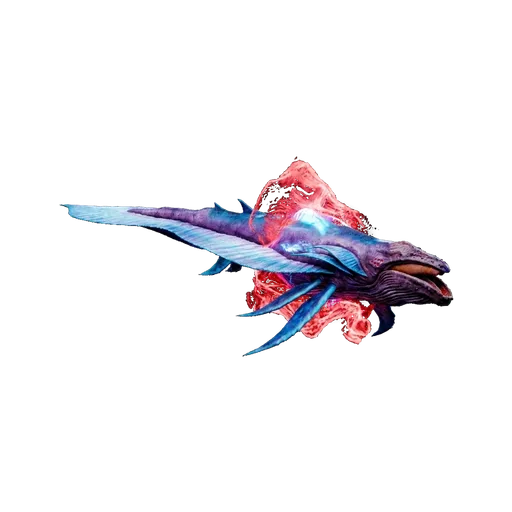
Astrocetus
CreatureFlyer
Breeding calculator
Astrocetus
SettingsHatch 1× · Mature 1× · Food 1× · Weight 2,000
Baby: The hatched dinosaur, now a baby, needs constant attention and food placed directly in its inventory to survive, or a nearby Maewing to take care of its needs.
- Gestation
- 7h 56m 11s
- Maturation
- 92h 35m 33s
- Food at birth
- 70.81/min



Maturation Progress
- Status:
- Baby
- Time Left:
- 87:57:46
- Total Time:
- 92:35:33

Maturation
- Incubation Time
- 7h 56m 11s
 Elapsed Time
- 4h 37m 47s
- Maturation Time Left
- 87h 57m 46s
 Time to Juvenile
- 4h 37m 47s
 Food
- Total Food Items
- 3934items
- Food to Adult
- 2567items
- Food Per Hour
- 81
 Food Capacity
- 1000items
 Baby Hand Feed For
- N/A2.8% maturation
Imprinting
- Cuddle interval
- 8h
- Imprint per cuddle
- 8.8%
- Maximum imprint
- 96.8% (11 cuddles)
Settings8 h · interval ×1 · amount ×1
Raising food
- Food per item
- 50
 Stack size
- 40
- Eats at 5%
- 67.27 food/min
- Maturation
- 92h 35m 33s
| Stage | Time remaining | Food points | Raw Meat | Stacks | Weight |
|---|---|---|---|---|---|
| BabyNeed this much for 5% to 10% | 4h 37m 46s | 18,194 | 364 | 10 | 36.4 |
| JuvenileNeed this much for 10% to 50% | 37h 2m 13s | 110,146 | 2,203 | 56 | 220.3 |
| AdolescentNeed this much for 50% to 100% | 46h 17m 46s | 49,172 | 984 | 25 | 98.4 |
| Total | 87h 57m 46s | 3,551 | 91 | 355.1 |
Total: 3,551 Raw Meat
- Feeding Trough
- 2,400 items (60 slots)Need 2 full loads
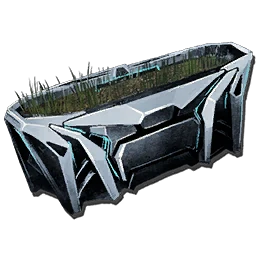 Tek Trough
- 4,000 items (100 slots)Fits in one load
- Maewing / Maeguana
- 300 slots50% weight reduction on meat & berries
- Baby - 7x trough refills needed (food spoils before phase ends)
- Juvenile - 56x trough refills needed (food spoils before phase ends)
- Adolescent - 70x trough refills needed (food spoils before phase ends)
Spoils in 10m | Trough / Maewing: 40m | Tek Trough: 16h 40m
At birth, baby holds ~60 food - refill every ~1 min
During the Baby phase (0-10%), you must hand-feed or use a Maewing to nurse. From Juvenile (10%+), dinos can eat from a Feeding Trough on their own. Use Preserving Salt in troughs to double spoil times.
More about breeding the Astrocetus
Breeding produces live offspring - no egg management needed. Gestation takes approximately 7 hours and 56 minutes at default rates.
After hatching or birth, the baby Astrocetus matures over an extremely long period, one of the longest in the game, reaching adulthood in about 3 days and 20 hours at 1x maturation. The most labor-intensive part is the baby phase (0–10% maturation) when it can't use a Feeding Trough yet.
Offspring inherit parental stats and have a small chance to mutate, gaining +2 levels in a random stat. Use the breeding calculator to plan food requirements, incubation timers, and maturation phases.
The Astrocetus's growth progresses through three stages: Baby (0–10%) lasts ~556 min and requires constant hand-feeding. Juvenile (10–50%) spans ~37h - it can eat from a Trough now. Adolescent (50–100%) takes ~46h - continues eating from troughs, nearly fully grown.
Imprint bonuses are significant: a fully imprinted Astrocetus gains 30% extra damage and damage resistance with its imprinter mounted. Imprint requests include cuddling, walks, and specific kibble - check the wiki for which kibble to stockpile.
Use the raising calculator to plan food requirements for raising Astrocetus babies through all three growth stages. The Baby phase (0–10%) takes ~556 minutes and is the most hands-on, requiring direct feeding or a Maewing.
The multiplier feature helps plan large-scale Astrocetus raises by totaling food across all babies. Consider food spoilage when choosing what to feed: Kibble lasts days, while Raw Meat spoils in minutes.
Found throughout the ARKs, the Astrocetus is a tamable, flying, carnivore creature in ARK: Survival Ascended. It falls within the Flyer classification.
The Astrocetus has 2,800 base Health - extremely durable. Dealing 100% base Melee Damage, the Astrocetus brings solid damage output to the table. With 600 base Stamina, the Astrocetus has massive stamina reserves. It carries 2000 base Weight - an enormous weight pool.
As a tame, the Astrocetus excels at carrying heavy loads through the air, making base-to-base logistics much faster. Breeding is via live birth rather than eggs, simplifying the process. It can be cloned at a Cloning Chamber for 0.99 Element plus 0.01 Element per level.